Solo Aging: Building Your Support Network
More adults than ever are aging without a spouse, partner, nearby family, or children. While solo aging brings unique challenges, thoughtful planning can help people maintain independence, connection, and control over your future.
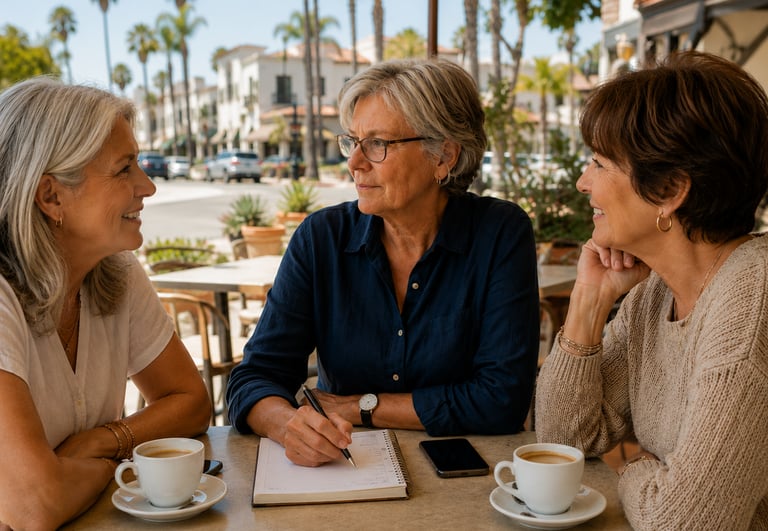
Aging alone does not mean aging without support. The key is building a safety net before a crisis occurs.
One of the most important steps is completing two legal documents: a Durable Financial Power of Attorney and an Advance Health Care Directive. These documents allow trusted individuals to manage financial matters and make medical decisions if you are unable to do so yourself.
If you do not have family members available to serve in these roles, professional fiduciaries and geriatric care managers can help provide additional support and oversight.
Learn More
Many of the topics discussed here are explored in greater detail in the Campbell Aging Resources Guide. There you'll find practical information, local resources, and planning tools designed to help older adults maintain independence, connection, and peace of mind. We expect the guide to grow over time and will continue adding new resources, ideas, and information as they become available.
Planning for the Unexpected
Creating an Emergency Safety Net
When living alone, emergency information should be easy for others to find.
Many solo agers keep a File of Life on their refrigerator containing medical information, allergies, medications, emergency contacts, and the names of designated decision makers. Emergency responders are often trained to look for this information.
Other practical safeguards may include a medical alert device, a daily check in arrangement with a friend or neighbor, or a secure method of providing emergency access to your home.
Small preparations made in advance can make a significant difference during an emergency.
Staying Connected
Perhaps the greatest challenge for many solo agers is not living alone but becoming isolated.
Maintaining social connections is an important part of healthy aging. Friendships, volunteer work, community organizations, support groups, and shared interest activities all help create a network of people who know you, care about you, and can step in when needed.
Many older adults build strong "chosen family" networks that provide companionship, practical assistance, and a sense of belonging. These relationships often become just as important as traditional family connections.
Campbell Aging Resources
An independent community resource project. Not medical, legal or financial advice.
2026. All Rights Reserved.
Pages
Home
Resources
the long view
why we built this
getting organized
solo aging
caregiving
contact
(C) 2026 Campbell Aging Resources-Aging here shouldn't mean aging alone.
Coachella Valley — Full time and year-round